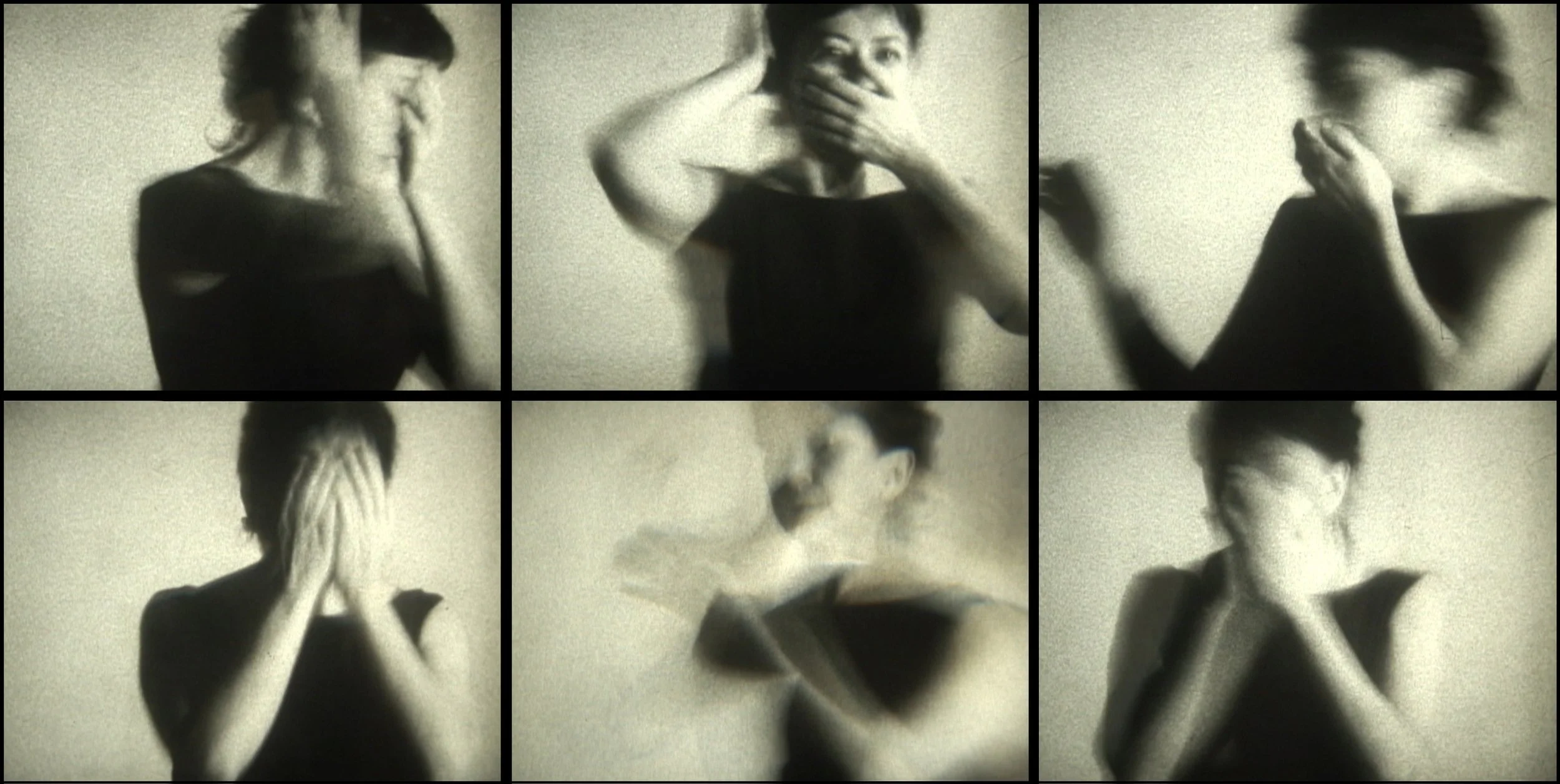
Enfin, notre nouvelle création L’éther, sera au programme du FTA. Première demain, le 3 juin.
Version française avec surtitres anglais. La version anglaise sera créée au cours de l’année qui vient.

Enfin, notre nouvelle création L’éther, sera au programme du FTA. Première demain, le 3 juin.
Version française avec surtitres anglais. La version anglaise sera créée au cours de l’année qui vient.
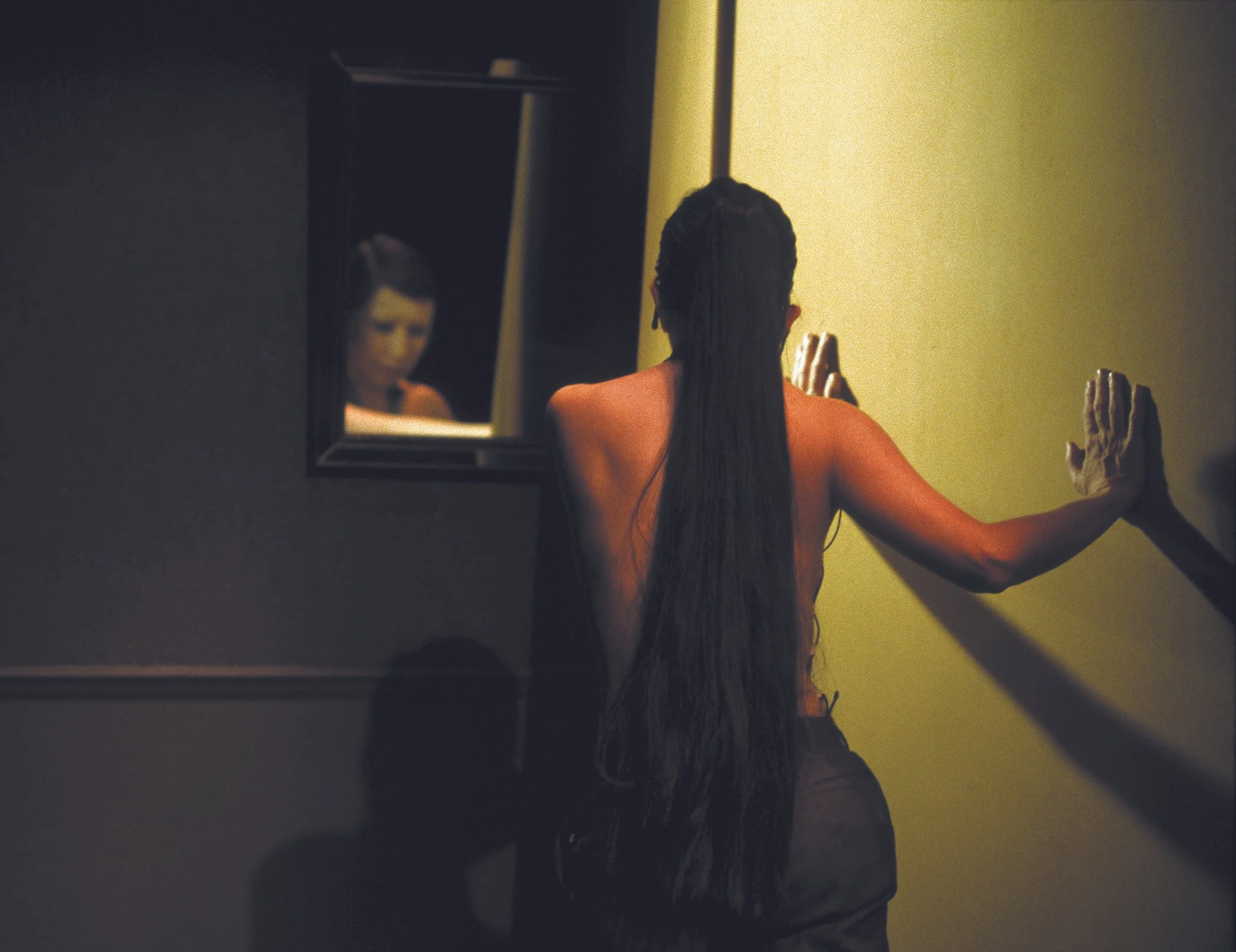
Il y a 25 ans était créé Jimmy créature de rêve. Depuis présenté dans plusieurs villes de 17 pays, le spectacle solo est présenté à Montréal au théâtre Prospero, pour célébrer les 25 ans de sa création.
Billets ici:
Ce que la presse en a dit à l’époque:
Obscène, hilarant, inquiétant, évitant avec élégance toutes les facilités du one-(wo) man show, le spectacle de Marie Brassard nous rend au réel en plein rêve éveillé.
Jimmy, dans son ambiguïté, est bien sûr aussi une métaphore du théâtre lui-même. La cohérence avec laquelle Brassard déploie cette image presque sans effort fait de Jimmy une grande pièce.
Frankfurter Allgemeine Zeitung (Allemagne), 22 septembre 2005
Marie Brassard knows that a tiny gesture or half a line of text can suggest a world of meaning. With laconic, dry humor, a few theatrical tricks and a touch of postmodernism, she draws the audience into a series of Russian doll scenarios that circle onto themselves and are alternately claustrophobic and liberating. A world class, impeccable piece of theatre, not to be missed.
Marie Brassard est de la tribu des surréalistes; ses songes sont sa toile et on a hâte d’en être victimes.
A Murky Dream World of Subconscious Characters… Marie Brassard’s one-woman show Jimmy is about the stuff of dreams — well, a dream figure, a recurring visitor in the nocturnal imaginings of a slumbering American Army general and an actress. Audiences may not readily comprehend the strange landscape of the unconscious that the play navigates, but the tall, braided Ms. Brassard is a captivating guide through an enchanting, if unsettling, realm.
This is vital, world-class theatre not to be missed. Definitely the best thing I’ve seen this year.
The Irish Times (Dublin)
Artists sometimes claim to be tapping the unconscious when they are actually bogging themselves down in patchy surrealism. But Brassard, an artist of rare gifts, makes good on the promise. She evokes dreaming’s borderlessness, its sense that no identity is ever entirely within our control […] Did it really end? The audience tiptoes out destabilized, worried they may be dreaming still
Helen Shaw, New York Time Out
Her remarkable performance raises fascinating, existential questions about identity.
The Age (Australie)
Vers l’Asie. La fureur de ce que je pense à Macao dans quelques jours!
Photo: Michael Slobodian
Alors que Marie Brassard termine le tournage de son premier long métrage Le train, nous voici en route vers Macao.
Photo: JF Hamelin
Nous sommes maintenant à Ottawa, au Centre national des arts. À l’invitation de Mani Soleymanlou et du Théâtre français du CNA, nous présentons l’Ombre. Projet initié par le CNA, l’Ombre est une création du Collectif 2023, dirigée et mise en scène par Marie Brassard, mettant en scène des finissants et finissantes en jeu d’écoles de théâtres de Montréal. Une production du Théâtre français du CNA, coproduit par Théâtre du Rideau Vert, en collaboration avec Infrarouge, L’ombre sera à l’affiche les 28, 29 et 30 septembre au Théâtre Babs Asper.
Détails et billets ici : https://nac-cna.ca/fr/event/34100
Marie Brassard, lauréate du prix Siminovitch, le plus prestigieux prix de théâtre au Canada (lire davantage en cliquant sur la photo)
Photo: Minelly Kamemura
De retour à nouveau,. À Espace GO, du 8 novembre au 3 décembre.
Marie Brassard est honorée et ravie de partager cette nomination avec ces personnes formidables! Merci aux membres du jury et à la famille Siminovitch et félicitations à tous les nominés-es.
Nous empruntons maintenant la route du Mexique pour y présenter Violence les 7 et 8 mai en ouverture du Festival Cultural de Mayo en Jalisco. Dans une scénographie d’Antonin Sorel, avec la musique de Alexander MacSween et les images vidéos de Sabrina Ratté, Violence, dont le travail s’est échelonné sur plusieurs années, sera présenté pour la première fois en Amérique latine, dans le somptueux Teatro Dellogado.
« un voyage aux allures de conte, une méditation sur nous-mêmes, via la touchante et souvent lumineuse sagesse des enfants »
Denis-Daniel Boulé, Fugues
A ne pas manquer, VIOLENCE. Encore 4 représentations d’ici dimanche.
Not to be missed VIOLENCE. Still 4 shows to go until Sunday. With English Subtitles!
https://usine-c.com/spectacle/violence
Image video: Shingo Ota, set design: Antonin Sorel, photo: Marlène Gélineau-Payette
Une partie de l’équipe de Violence, à Athènes, au Peiraios 260, pendant le Festival Athens & Epidaurus.
Pour arriver à la création de Violence, depuis Introduction à la violence, une équipe d’artistes, techniciens, administrateurs, diffuseurs, producteurs, artisans s’est jointe à moi autour d’une simple idée de départ. Au fil du temps, d’autres personnes se sont jointes à nous pour contribuer, à des degrés divers, à faire en sorte que ce spectacle existe. Ensemble, lors de séances de travail échelonnées sur quelques années, en temps normal et en temps de pandémie, nous sommes parvenus à vivre une expérience inoubliable dont nous sommes fiers et que nous comptons partager avec le plus grand nombre possible au cours de l’année qui vient, et au-delà.
Ces personnes vivent à différents endroits sur la planète. Je suis fière de ça. Que nous soyons unis et réunis, à collaborer, peu importe la situation, peu importe nos origines et le lieu que nous avons choisi pour vivre. Je fais le souhait que nous ne cessions jamais d’être solidaires et de communiquer et créer ensemble, par tous les moyens, virtuels ou réels, en mélangeant nos idées, nos sentiments, nos intuitions et nos expériences de vies. J’aimerais, en les nommant en ordre alphabétique, remercier chacun et chacune de ces personnes pour leur engagement et leur contribution à différent degrés. Je tiens à leur exprimer mon respect et ma reconnaissance profonde. Et leur souhaiter, ainsi qu’à vous tous, de la force et de la lumière en 2022 :
Les voici :
Guillaume Arsenault, Oana Avasilichioaei, Romane Bocquet, Gabrielle Couillard, Julie Charland, Andrew De Freitas, Alex-Hercule Desjardins, Nicolas Dufour-Laperrière, Catherine Fasquelle, Marlène Gélineau-Payette, Yokna Hasegawa, Mikko Hynninen, Hayato Ichimura, Takeshi Inamori, Alexander MacSween, Magdalena Marsalek, Andrea Marsolais-Roy, Anne McDougall, Moemi Nagi, Erik Nowosielski-Lamoureux, Miwa Okuno, Shingo Ota, Menno Plukker, Morena Prats, Sabrina Ratté, Isao Sakuma, Catherine Sasseville, Antonin Sorel, Marcello Spada, Jacinthe St-Pierre, Kyoko Takenaka, Mateo Thébaudeau, Olivier Tremblay-Noël, Hélène Villemure et, pour leur aide et leur support, Yuichiro Yoshida, Taro Inamura et Yuki Kuyama.
J’ajoute à la liste les institutions qui nous ont soutenus avec compréhension et générosité, en remerciant chacune des personnes avec qui nous avons été en contact au sein de celles-ci :
Festival TransAmériques, Theater der Welt (Düsseldorf, Allemagne), Théâtre français du Centre national des arts (Ottawa), Athens and Epidaurus Festival (Athènes), Montevideo (Marseille), Usine C (Montréal), Vitlycke Center for Performing Art (Tanumshede), Göteborg Dance and Theatre Festival (Göteborg), Cinema Teatro Apollo (Bellaria), Kinosaki International Art Centre (Kinosaki) et Saison-Morishita Studio (Tokyo).
Aussi, le Conseil des arts et des lettres du Québec, le Conseil des arts du Canada, le Conseil des arts de la ville de Montréal et le Fonds national de création du CNA.
Je veux également partager ma reconnaissance avec les membres de notre conseil d’administration : Justin Evans, Phoebe Greenberg, Simon Guilbault et Mathieu Beauséjour.
Photo: Marlène Gélineau-Payette
Violence est l'aboutissement d'une aventure qui a débuté à Montréal et à Marseille puis nous a conduit à Göteborg via Vitlycke, dans la campagne suédoise. Contre vents et marées, en plein cœur de la tornade de la COVID qui nous empêchait de nous réunir dans la réalité comme nous l’aurions souhaité, nous nous sommes ensuite retrouvés virtuellement à Tokyo, puis à Kinosaki et à Takeno, sur les rives de la splendide mer du Japon, avant la création du spectacle dans le cadre du FTA. Nous travaillons présentement à l’élaboration d’une version du spectacle en anglais. Nous élaborons aussi un plan pour que Miwa Okuno et Kyoko Takenaka puissent enfin nous rejoindre en personne sur scène, dès que ce sera possible.
En septembre 2021, nous amorcerons une tournée qui nous mènera au fil de l’année en Europe, au Québec et au Canada, et nous le souhaitons, au Japon. Nous publierons bientôt sur le site les détails de notre aventure du printemps.
Tokyo la nuit, photo: Marie Brassard
Imprégnés d'air frais et d'énergie, grâce à The Saison Foundation et aux studios Morishita de Tokyo, nous commencerons dans deux semaines notre travail de création à distance, entre Tokyo, Montréal, Paris et Marseille. L'équipe japonaise, Yokna Hasegawa, Kyoko Takenaka et Miwa Okuno seront en contact avec Alexander MacSween et moi à Montréal, Antonin Sorel à Marseille et Sabrina Ratté à Paris. L’idée de reprendre le travail nous réjouit tous. Nous vous tiendrons au courant des développements de cette aventure.
©Theaters by Hiroshi Sugimoto, Paramount Theater, Newark, 2015
Trois mois déjà ont passé depuis le séjour de l’équipe en Italie, depuis que la pandémie a imposé son arrêt brutal. Le cours de l’histoire s’accélère et chaque jour porte un éclairage nouveau, qui réoriente notre regard sur les événements récents et le porte sur les bouleversements politiques et sociaux qui agitent le monde.
Tout cela est lié.
Ici, on a gardé silence pour profiter de ce temps ouvert pour vivre le présent et aussi, par respect pour ceux qui sont en manque de tribunes, et qui ont tant à exprimer.
Notre travail sur Violence ne s’est pas vraiment arrêté. Il s’est calmement enrichi de toutes les expériences.
Bientôt, nous serons de retour avec des nouvelles. Profitez bien de la nature, de l’air pur, de l’été.
Photos: Zoe Hamelin
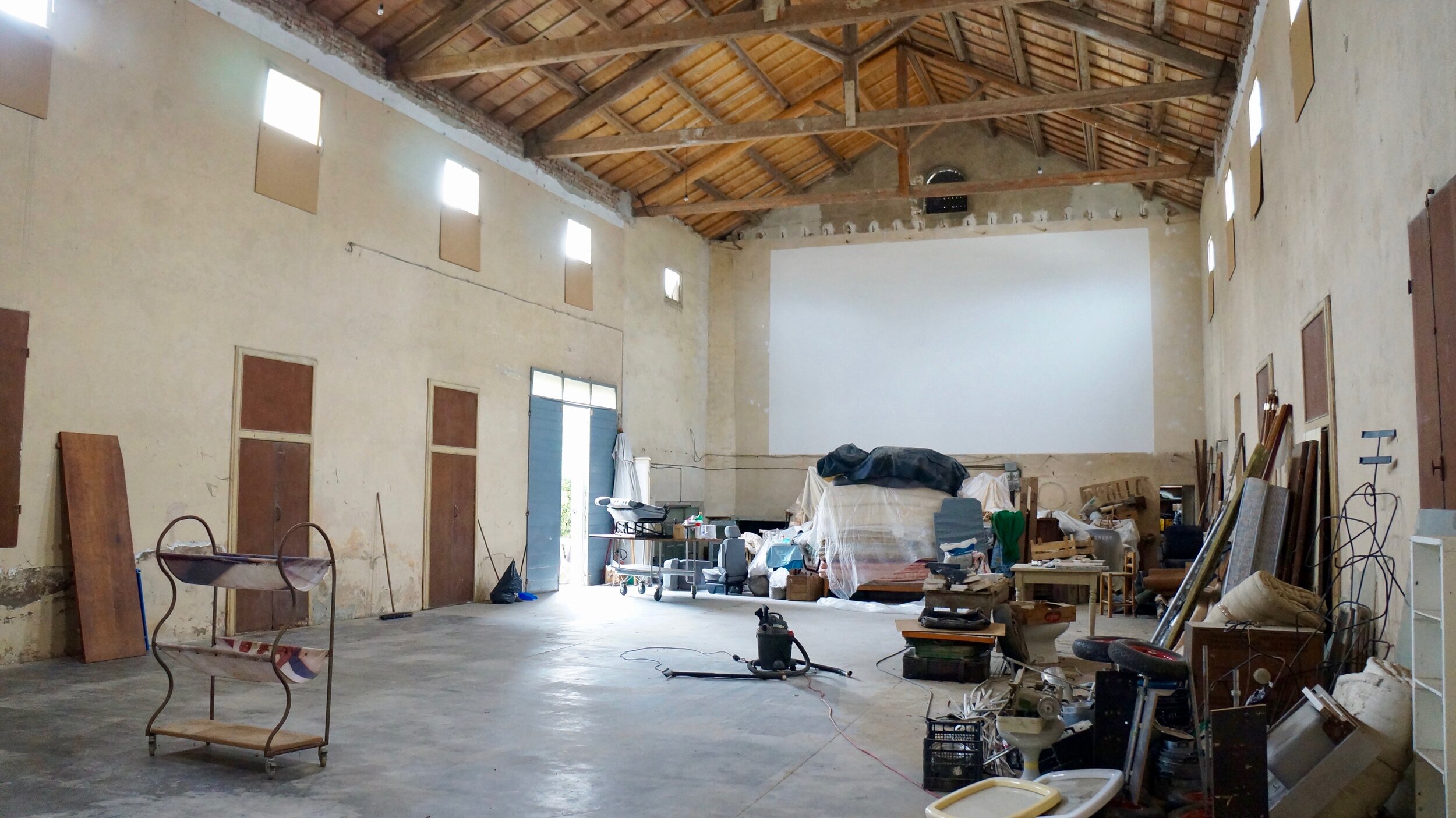
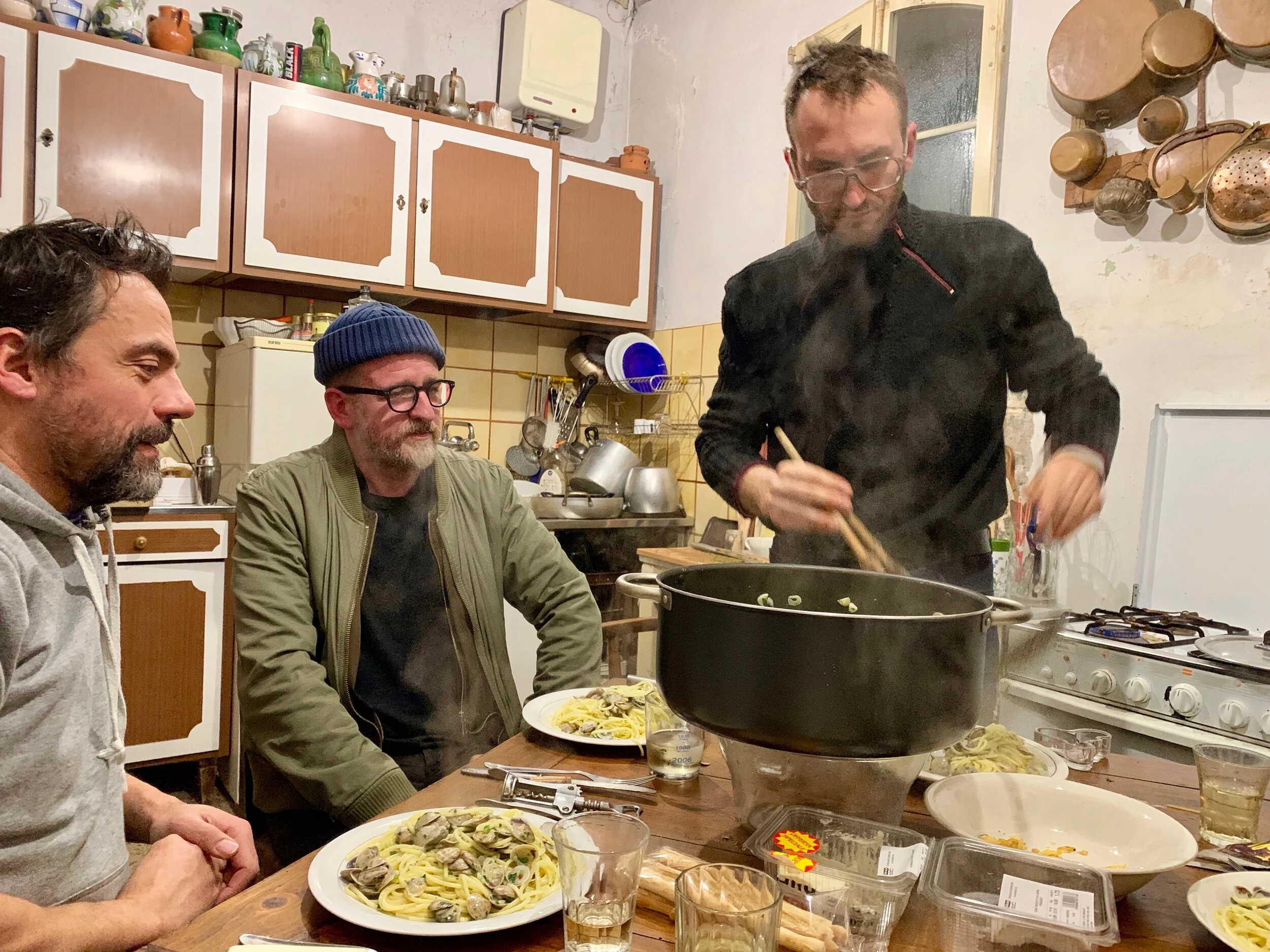
C’est ici que commence l’aventure de la création de Violence, à Bellaria en Italie. La construction du décor se fera au Cinéma Théâtre Apollo. Merci à Marcello Spada de nous permettre d’utiliser ce lieu paradisiaque. De l’équipe, Antonin Sorel, Andrew de Freitas et Mateo Thébaudeau sont sur place jusqu’au 12 mars, pour amorcer la première étape de la construction. Merci à Zoé Hamelin pour les photos!
La villa. Photo: Zoe Hamelin
Andrew de Freitas, Marcello Spada, Antonin Sorel et Mateo Thébaudeau Photo: Zoe Hamelin
Photo: Zoe Hamelin
Photo: Zoe Hamelin
Photo: Zoe Hamelin
Photo: Zoe Hamelin
Photo: Zoe Hamelin
Le projet Violence sera créé au mois de mai en version anglo-japonaise à Düsseldorf, et en version franco-japonaise à Montréal, à l’Usine C dans le cadre du FTA. Il a été décidé que le décor sera construit à Bellaria en Italie, et que le contenu du spectacle sera développé avec nos collègues japonaises lors d’une double résidence d’une durée d’un mois au Japon, dans les villes de Kinosaki et Tokyo. Ce plan a été élaboré bien avant la nouvelle du Coronavirus et une partie de l’équipe se trouve déjà en Italie. La synergie entre les thèmes abordés dans le spectacle et les événements du réel est une sorte de clin d’œil de la réalité vaguement sinistre qui nous place dans une situation sur laquelle nous n’avons aucun contrôle. Il était prévu de documenter l’aventure sur Instagram et ici. Nous réaliserons ce plan tel que prévu. À partir de demain, suivez-nous dans cette extraordinaire aventure.
Nous avons été si occupés que la section nouvelles a été négligée. Nous revoici en 2020 déjà, avec le désir de mettre à jour plus fréquemment le site.
Depuis Madrid, il y a eu tant d‘événements. La présentation à Amsterdam de La fureur de ce que je pense, au ITA (International Theater Amsterdam), et à Limoges (Festival des Francophonies du Limousin) puis, la création du texte magnifique d’Évelyne de la Chenelière, La vie utile, d’abord à Espace GO, au printemps 2018, puis dans le cadre du FTA.
Puis, de multiples résidences de création à Marseille (Montevideo), Tanumshede en Suède (Vitlycke – Centre for Performing Arts) à l’invitation du Gothenburg Dance and Theatre Festival, à Montréal (Usine C).
Nous avons donné quatre représentations de Introduction à la Violence au printemps 2019 à l’Usine C. Ce spectacle, comme son titre l’indique, se voulait une introduction à notre prochaine création, intitulée Violence, qui sera présentée pour la première fois à Düsseldorf en mai prochain dans sa version anglaise, puis à Montréal fin mai-début juin, en version française (détails à venir).
Puis, à Montréal, créé le spectacle Éclipse, en coproduction avec le Théâtre de Quat’sous. Ce spectacle, inspiré par les écrits des femmes de la Beat Generation, est présentement à l’affiche.
Prochainement, nous serons au mois d’avril en résidence à Kinosaki, au Kinosaki International Arts Center (KIAC), puis, à Tokyo, au Morishita Studio, avant de terminer la création de Violence lors d’une résidence à Düsseldorf au Düsseldorfer Schauspielhaus / Central, au mois de mai. Des détails seront partagés sous peu en ce qui concerne la suite!
La fureur de ce que je pense (en français avec surtitres en espagnol)
À Madrid au Teatro Español les 13-14 et 15 avril
Acclamé par le public et la critique, le spectacle La fureur de ce que je pense, un collage de textes de l’auteure Nelly Arcan, réalisé et mis en scène par Marie Brassard, amorce une série de visites européennes. La pièce sera présentée à quatre reprises à Madrid, au magnifique Teatro Español. Musical, féminin, féministe, tragique et lumineux, La fureur de ce que je pense est une œuvre-hommage à l’écriture de Nelly Arcan. Plus que jamais pertinent, le spectacle hautement visuel et musical propose une immersion dans l’œuvre littéraire d’une femme intelligente, habitée et tourmentée dans son rapport avec son corps, avec les autres et avec la vie.
Produit par Infrarouge, en coproduction avec le FTA (Montréal) et Parco (Tokyo). Pour en savoir plus, sur la pièce, visitez le site du Teatro Español:
https://www.teatroespanol.es/programacion/la-fureur-de-ce-que-je-pense
Magnifique Teatro Español, au coeur du vieux Madrid
J’ai joué au Japon à quelques reprises dans le passé. Mais c’est la première fois que mon travail personnel, élaboré avec les meilleur(e)s collaborateurs dont on puisse rêver, sera présenté dans sa version japonaise à Tokyo, puis, en tournée à travers le Japon à Hiroshima, Kitakyushu, Kyoto et Aichi. Nous sommes ici depuis plus de cinq semaines déjà. D’abord avec Antonin Sorel(scénographie), et maintenant, Alexander MacSween (musique), Mikko Hynninen (lumière) et Catherine Chagnon (costumes) et notre directeur technique Mateo Thébaudeau. Nous sommes entourés d’artistes magnifiques et de collaborateurs japonais qui sont tous de remarquables êtres humains. Avec, constamment dans nos pensées, les artistes québécoises Sophie Cadieux, Julie LeBreton, Christine Beaulieu, Johanne Haberlin, Larissa Corriveau, Monia Chokri, Évelyne de la Chenelière et Anne Thériault.
La première aura lieu le 4 novembre. Seront en scène, les brillantes actrices Yasuko Matsuyuki, Sumire Ashina, Hiromu Kiriya, Eriko Hatsune, Hijiri Kojima, Yuko Miyamoto et la danseuse chorégraphe Miwa Okuno. Merci à Parco et à Misaki Mouri.
Nous sommes extrêmement emballés par la version japonaise de ce travail et les nouvelles réflexions qu’elle générera à propos de l’écriture de Nelly Arcan et de la condition des femmes dans nos sociétés contemporaines.
Venez nous voir si vous êtes dans le coin et dites le à vos amis japonais.
Depuis une semaine, enfin de nouveau à Tokyo, une de mes villes favorites, avec Antonin Sorel. Nous y serons jusqu’à la mi-novembre, dans l’aventure extraordinaire de créer la version japonaise du spectacle La Fureur de ce que je pense, autour d’un collage de textes de Nelly Arcan. Nous y sommes entourés d’artistes, femmes singulières à la fois si différentes et si proches de nous. Dans les semaines qui viennent, se joindront à nous nos collègues et amis Alexander MacSween, Mikko Hynninen, Catherine Chagnon et Mateo Thébaudeau. À cette occasion, le livre Putain sera publié à nouveau dans sa version japonaise et le film Nelly d’Anne Émond sera projeté à Tokyo. On vous tiendra au courant.